4 Questions To Ask Your Dentist About Endodontics
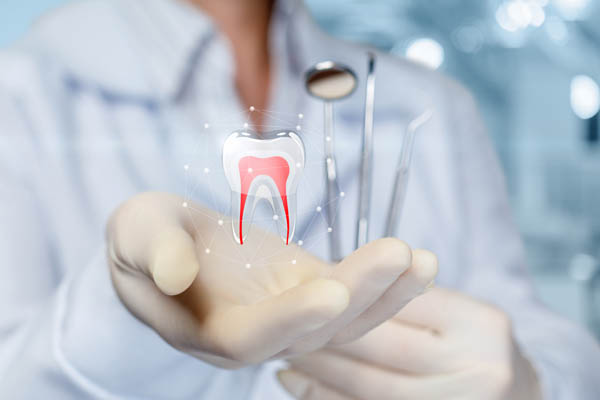
Endodontic treatment is necessary when there is pain, disease, or infection in one or multiple teeth. Dentists who perform endodontic treatments typically have more experience, knowledge, and training. A patient who needs care for a painful tooth should first ask the dentist a few important questions.
Important questions to ask your dentist about endodontics
Patients who need endodontic treatment should understand what it entails and what to expect before, during, and after the procedure. It is essential to ask a dentist questions for a thorough understanding.
1. What types of endodontic treatments are there?
Endodontic treatments span a variety of services. The most common procedure is the root canal, which is important for removing an infection from a tooth and filling it in to restore function. Repairing cracked teeth is another common procedure. Several treatments are available for cracked teeth, including fillings, crowns, surgery, and extraction. The type of care depends on whether the tooth is split, has a vertical root fracture, has craze lines, or has fractured cusps. Other common approaches include treating traumatic dental injuries or providing dental implants.
2. What level of experience do you have?
The amount of experience a dentist has performing endodontic treatments is important. The provider should be able to answer the question honestly and explain what training, equipment, and techniques his or her knowledge and experience include. Understanding the experience level gives a patient peace of mind and allows them to feel certain the dentist is capable of performing the procedure.
3. How will the procedure be done?
A good dentist will ensure the patient understands the procedure and what to expect throughout it. Take the root canal, for example.
First, the dentist takes X-rays of the tooth to determine the amount of damage. The dentist then inserts a dental dam into the patient's mouth to keep the infected tooth clean while working on it. The decay is removed before an opening is created to reach the pulp chamber. From there, small dental tools are used to extract the infected pulp. When all the diseased parts of the pulp are gone, the dentist will flush and clean the tooth. Finally, a filling is placed in the tooth to keep debris out and prevent further decay.
Patients undergoing a different procedure should ask the provider-specific questions and be satisfied with the answers they receive before moving on.
4. What should a patient do before a procedure?
Before a patient undergoes endodontic treatment, it is important to learn how to prepare for it. In many cases, preparation includes continuing good oral hygiene habits, avoiding chewing near the affected tooth, and avoiding food the morning of the procedure. The dentist will provide more specific instructions depending on the patient's history and the care to be received.
The necessity of endodontic treatment
Many people are wary of dental work, so much so that it affects their oral health. According to research published by the National Library of Medicine, over 36% of Americans report having some type of dental anxiety. As a result, many dental issues, even serious ones, are left untreated. Unfortunately, leaving tooth decay or gum disease alone can have serious consequences that affect your dental and overall health.
A tooth in need of repair will only get worse with time. Eventually, severe oral pain is likely, along with continuing damage. Without prompt and proper dental work, it is very likely that the tooth will eventually be lost, whether it falls out on its own or needs to be extracted.
Teeth that are damaged or decayed are also at a much higher risk for infection. While most dental infections are easily resolved with the help of a dentist, they can become very dangerous when left untreated. Over time, infectious bacteria can enter the bloodstream, traveling to various organs and resulting in a condition known as sepsis, which can be dangerous and even deadly.
Leaving a dental problem to fester can lead to numerous avoidable side effects. Even if you are nervous about endodontic treatment, it is important to talk with your dentist about your options. Many comfort measures exist to help patients feel calm and relaxed throughout the entire process while having their dental health restored.
Conclusion
If you suspect your tooth may need the help of a dentist who understands endodontics, ask yours what your next step should be. A good dentist can either schedule treatment or refer you to someone who can.
Request an appointment here: https://www.culebrafd.com or call Culebra Family Dentistry at (210) 787-1554 for an appointment in our San Antonio office.
Check out what others are saying about our dental services on Yelp: What is an Endodontist in San Antonio, TX.
Related Posts
An Invisalign® dentist offers a modern, comfortable, and discreet solution for patients seeking orthodontic treatment without the hassle of traditional metal braces. Invisalign clear aligners have gained popularity for their ability to deliver effective results with greater convenience and minimal interference with daily life. Choosing an Invisalign dentist ensures personalized guidance through each stage of…
An emergency dentist offers urgent and specialized care for unplanned dental issues, especially when severe pain or sudden trauma requires immediate attention. These situations can feel overwhelming and may raise many questions about what to expect and how to prepare. Therefore, it is good to have a list of questions to ask before arriving at…
Seeking an emergency dentist immediately after a dental injury can help prevent further complications and ensure proper treatment. Whether a tooth is chipped, cracked, or knocked out, taking the right precautions is essential for preserving oral health. However, some actions can worsen the damage or delay healing. To protect the teeth and avoid additional harm,…
Seeing an emergency dentist as soon as possible is crucial when dealing with sudden dental pain, trauma, or an urgent oral health issue. Taking the right steps before the appointment can help minimize discomfort, prevent further damage, and ensure a smoother treatment process. Here are five important things to do before visiting an emergency dentist.Understanding…