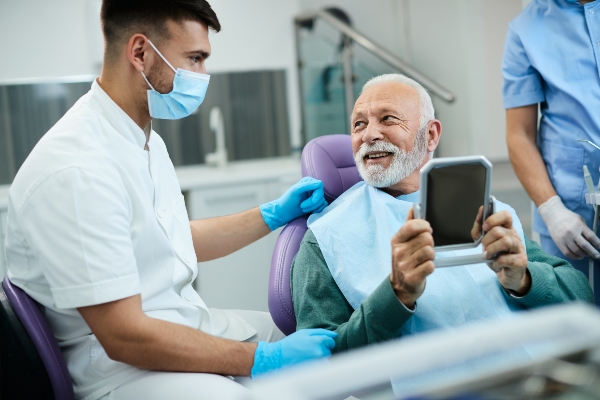
 Wondering what you should look for in an emergency dentist? Read on to learn more. General dentists are versatile professionals, and they can handle both routine care and dental emergencies with ease. In fact, the skills they refine through daily practice serve them well during emergencies, so if you need urgent help, your regular dentist can be a great choice.
Make sure you understand whether your dentist offers emergency services. Many do, and having a plan in place ahead of time can make a large difference in your recovery. It only takes a few minutes for a tooth to go from something that can be saved to a permanent loss.
General dentistry vs. emergency dentistry
Your general dentist likely has more emergency skills than you realize. Some of the many tasks they perform daily that are invaluable during an urgent situation include:
Pain management
Dentists fill cavities and perform cleanings for anxious patients daily, giving them deep insight into how to manage pain as effectively as possible. In an emergency situation, pain relief is often the first thing on a patient's mind, and your general dentist can put you at ease. Whether that occurs through laughing gas, local anesthesia, or a prescription for painkillers, you will be in good hands.
Bonding
Dental bonding is the process of affixing a tooth-colored prosthetic material directly to a tooth's surface. It can be used in cosmetic dentistry to beautify the smile, but it is also a valuable tool for repairing chips and cracks that may occur during an emergency.
Dental bonding requires the same skills as applying a filling, from shaping the material to curing it correctly. An emergency dentist will be able to repair a broken tooth in an emergency the same way a general dentist repairs one damaged by long-term decay.
Spotting problems comprehensively
In an emergency, understanding what has happened as quickly as possible is paramount. Structures in the face beyond the actual site of the damage may be implicated in the emergency, and a dentist with extensive in-office experience understands how all these pieces fit together. Looking at the problem from a high-level view allows your dentist to create a comprehensive strategy for restoring your smile, fixing the issue, and leaving you pain-free.
Preventing emergencies
Because your dentist understands how to treat emergencies, they can also work backward to inform their care to avoid urgent issues in the first place. This includes addressing problems early, before they evolve into something more urgent. Dental cleanings, x-rays, and even preventive sealants or fluoride treatments can all keep your mouth strong to withstand sudden trauma that may otherwise cause an emergent situation.
The bottom line
When selecting an emergency dentist, it is smart to choose one who can provide both routine care and emergency services. This allows for excellent continuity of care and an informed approach to any trauma or damage. Contact our office to learn more.
Related Posts
An emergency dentist may be able to reimplant your knocked-out tooth. But there are some important steps to follow before you reach the clinic. Following these crucial steps can make your dislodged tooth viable for reimplantation. Below are the essential steps to take before you see your emergency dentist for treatment for a knocked-out tooth.It…
A sudden toothache, broken tooth, or swollen gum can turn an ordinary day into a stressful situation, making an emergency dentist an important resource. Some dental concerns can wait for a scheduled visit, but others need fast care to relieve pain and protect the tooth. Knowing what counts as a dental emergency can help patients…
Visiting an emergency dentist is crucial for maintaining your oral health. In some cases, this type of care can even help maintain your general health. Your general dentist can perform immediate treatments when necessary. But knowing when to rush to an emergency dentist can help you get the treatments you need right away.An emergency dentist's…
Recognizing problematic signs early and seeking an emergency dentist promptly can help prevent complications and preserve oral health. An abscessed tooth is a serious dental condition that can develop quickly and lead to severe pain, swelling, and infection. If left untreated, the infection can spread to other parts of the body and cause major health…