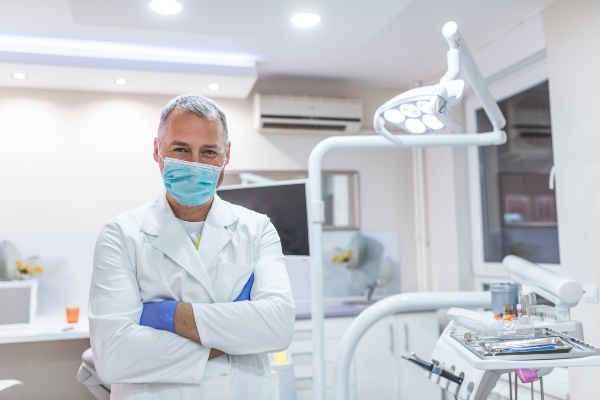
 No one ever plans for dental emergencies like infections, but an emergency dentist can be your first line of defense against oral bacteria looking to infect teeth, gum tissues, or your jawbone.
Dental infections always require emergency dental care to prevent the infection from spreading to other parts of the body, such as the heart, where it can have life-threatening consequences. Early treatments also increase the odds of the dentist being able to save the infected tooth.
How an emergency dentist treats dental infections
Patients with infected teeth often rush to the nearest clinic to alleviate the excruciating toothaches caused by it. Over-the-counter toothache remedies are rarely effective at managing the pain caused by infected teeth. Other symptoms of an infected tooth include swelling, fever, and an unusual taste in the mouth.
Here is how an emergency dentist addresses oral infections:
1. Clinical examination and diagnosis
The dentist looks for symptoms of infection, like red, swollen gums, and may use X-rays to pinpoint an abscess or infected tooth roots.
2. Incision and drainage
If an abscess is detected, the dentist makes an incision to drain pus from the area. Local anesthetics are administered before the incision, so patients do not feel pain. Draining an abscess reduces pressure in the area and helps to prevent the infection from spreading.
3. Root canal therapy
Root canal therapy is performed if the dentist detects an infected tooth. The dentist removes infected tissue, cleans and shapes canals, then seals the tooth to block bacteria from reentering during the procedure. This preserves the tooth and stops the infection from spreading. Root canals are often recommended for tooth infections when there is no threat of the infection spreading into the jaw. Extractions are recommended when there is a serious risk of the infection spreading.
4. Prescription of antibiotics
Antibiotics might be prescribed to control the infection. Always complete the full course as recommended for optimal benefits.
5. Temporary restorations and protective splints
A crown is typically placed after root canal therapy to prevent bacteria from entering and to protect the tooth. A temporary crown is typically provided immediately after the procedure, and patients return in about two weeks for their permanent crowns.
6. Pain management
Severe infections often come with intense pain. Emergency dentists sometimes recommend or prescribe painkillers to reduce inflammation and discomfort. Cold compresses and saltwater rinses also help soothe tissues.
7. Referral
Complex infections that spread deep into facial spaces may require referral to an oral surgeon or hospital emergency department. Your dentist coordinates care and schedules follow-up visits to monitor healing and place final restorations.
Get urgent care for an infected tooth
An emergency dentist halts oral infections through prompt diagnostics, treatments, antibiotics, and protective restorations. Timely care helps prevent life-threatening complications, saves natural teeth, and delivers fast pain relief.
Call our San Antonio office now to schedule an appointment with our general dentist. We can treat your infection and get you back to feeling like your regular self.
Related Posts
Knowing you have an emergency dentist ready to help with your dental crisis is something to be thankful for. It is ideal to have at least one reachable at all hours of the day. Some practices operate even during holidays. The key is to anticipate and research ahead. Here is how to find an emergency…
Your broken tooth needs the attention of an emergency dentist. It is important to resolve this problem, regardless of how mild the symptoms may be. A thorough assessment can determine the extent of the damage. Proper treatment will follow. Below are effective ways in which an emergency dentist can help with your broken tooth.A broken…
Your emergency dentist aims to provide you with immediate solutions to your dental emergencies. Studies show that some people prefer getting temporary relief to targeting the root cause of the problem. Busy schedules should not hinder good oral health. The following are the reasons for seeking immediate treatment from your emergency dentist.Providing instantaneous relief is…
An emergency dentist often faces the same dental emergencies. Many patients rush to their providers for various dental issues. This strategy provides quick assistance for sudden dental emergencies. Understanding how your general dentist can play the role of an emergency dentist can give you greater peace of mind.This provider's role is to maintain oral health.…