Why Choose Dental Implants Over a Dental Bridge?
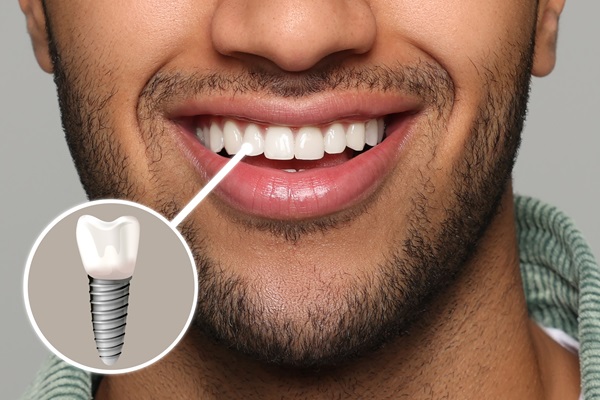
Replacing a lost or extracted tooth will restore the smile and prevent further oral health problems from developing. Dental implants and bridges are popular replacement options because of their effectiveness at replacing teeth throughout the smile arch. However, many prefer implants over other options due to their aesthetics, strength, and oral health benefits.
Dental implants vs. bridges for tooth replacement
Dental implants are a permanent replacement for missing teeth. A single implant consists of a titanium post that is inserted into the jawbone, where it fuses with the bone through a process called osseointegration. This post functions as a replacement root and supports a custom dental crown that looks and feels like a natural tooth.
A traditional dental bridge, on the other hand, replaces one or more missing teeth by using adjacent natural teeth for support. The dental bridge reshapes neighboring teeth to accommodate crowns, which attach to a false tooth (pontic) that fills the gap. While bridges are fixed and can restore function and aesthetics, the surrounding healthy teeth must be altered.
In short, implants replace both the root and crown, while bridges only replace the crown. The design of each tooth replacement can have a ripple effect on smile health. Therefore, which one a patient chooses affects their long-term health and aesthetics.
Benefits of dental implants over bridges
A general or implant dentist can help patients choose between dental implants and bridges. While both solutions restore missing teeth, implants offer distinct advantages that make them a preferred option for many patients seeking a more permanent and natural-looking result. Here are three benefits dental implants have over bridges:
Looks and feels more natural
General and implant dentists design dental implants to replicate the entire structure of a natural tooth, from root to crown. The visible crown is custom-made to match the color, shape, and alignment of surrounding teeth. This creates a seamless appearance that blends with the smile. Because the implant is placed directly into the bone, it also preserves the natural contours of the gums and facial structure, preventing the sunken look that sometimes occurs with missing teeth or bridges.
In contrast, bridges rely on surrounding teeth for support and often require the removal of healthy enamel. Over time, the lack of a root structure can lead to minor changes in the gum line and underlying bone, which may affect the appearance of the restoration. Dental implants mimic the form and function of real teeth to offer a more lifelike and stable result.
Healthier for the jawbone
An unmatched advantage of dental implants is their ability to stimulate and preserve the jawbone. When a tooth is lost, the bone in that area no longer receives the stimulation that comes from chewing. This can lead to bone resorption, where the bone tissue begins to deteriorate over time. Left unaddressed, bone loss can affect neighboring teeth and alter the shape of the face.
Because implants integrate with the jawbone, they help maintain bone density and prevent resorption. The body continues to nourish and support the bone as if a natural tooth were present. This not only protects the integrity of the jaw but also supports neighboring teeth by maintaining the strength and shape of the dental arch. Bridges do not provide this benefit because they sit above the gum line.
Easier to care for and maintain
Daily care for dental implants is similar to caring for natural teeth. General and implant dentists recommend brushing twice a day, flossing daily, and attending regular dental checkups to care for implants. Since the implant is a standalone structure, it does not depend on adjacent teeth for support. This makes cleaning easier, as well as reduces the risk of problems like decay or gum disease in neighboring teeth.
Bridges, on the other hand, can be more challenging to clean. The connected crowns and pontic create small spaces where plaque and food debris can accumulate. Special flossing tools or interdental brushes may be necessary to keep these areas clean and prevent infection or decay beneath the bridge. Additionally, since bridges rely on natural teeth for support, any issues with those anchor teeth — such as decay, fracture, or gum disease — can compromise the entire restoration.
Implants also tend to have a longer lifespan than bridges with proper care. While bridges generally last between five and 15 years, implants can last 20 years or, in many cases, a lifetime. This makes implants the more cost-effective solution in the long run.
Want a tooth replacement that lasts longer?
The benefits of dental implants contribute to better long-term oral health and maintenance when compared to other options like bridges. To learn if they are the best choice for your smile needs, speak to our team at Culebra Family Dentistry. We can help you explore implants and other tooth replacements during an appointment.
Request an appointment here: https://www.culebrafd.com or call Culebra Family Dentistry at (210) 787-1554 for an appointment in our San Antonio office.
Check out what others are saying about our dental services on Yelp: Dental Implants in San Antonio, TX.
Related Posts
Seeing an emergency dentist as soon as possible is crucial when dealing with sudden dental pain, trauma, or an urgent oral health issue. Taking the right steps before the appointment can help minimize discomfort, prevent further damage, and ensure a smoother treatment process. Here are five important things to do before visiting an emergency dentist.Understanding…
Many people assume that only a small group qualifies for dental implants. On the contrary, a wide range of adults are eligible to replace teeth with this popular smile restoration. To start, most candidates simply need to be in good health, have a strong jawbone, and practice good oral hygiene. A dental provider looks at…
An emergency dentist can provide fast relief from various dental problems. However, proper aftercare is necessary for a smooth recovery. Taking the right steps can help manage pain, prevent complications, and speed up healing. By following a few tips, you can protect your oral health and feel better faster.Emergency dentists are often general dentists offering…
When sudden dental issues arise, visiting an emergency dentist is the best course of action for immediate treatment. Ignoring oral pain or trauma can lead to more serious complications, making immediate treatment essential. Whether caused by injury, infection, or a lost restoration, certain dental emergencies require prompt care to relieve discomfort and protect oral health.…